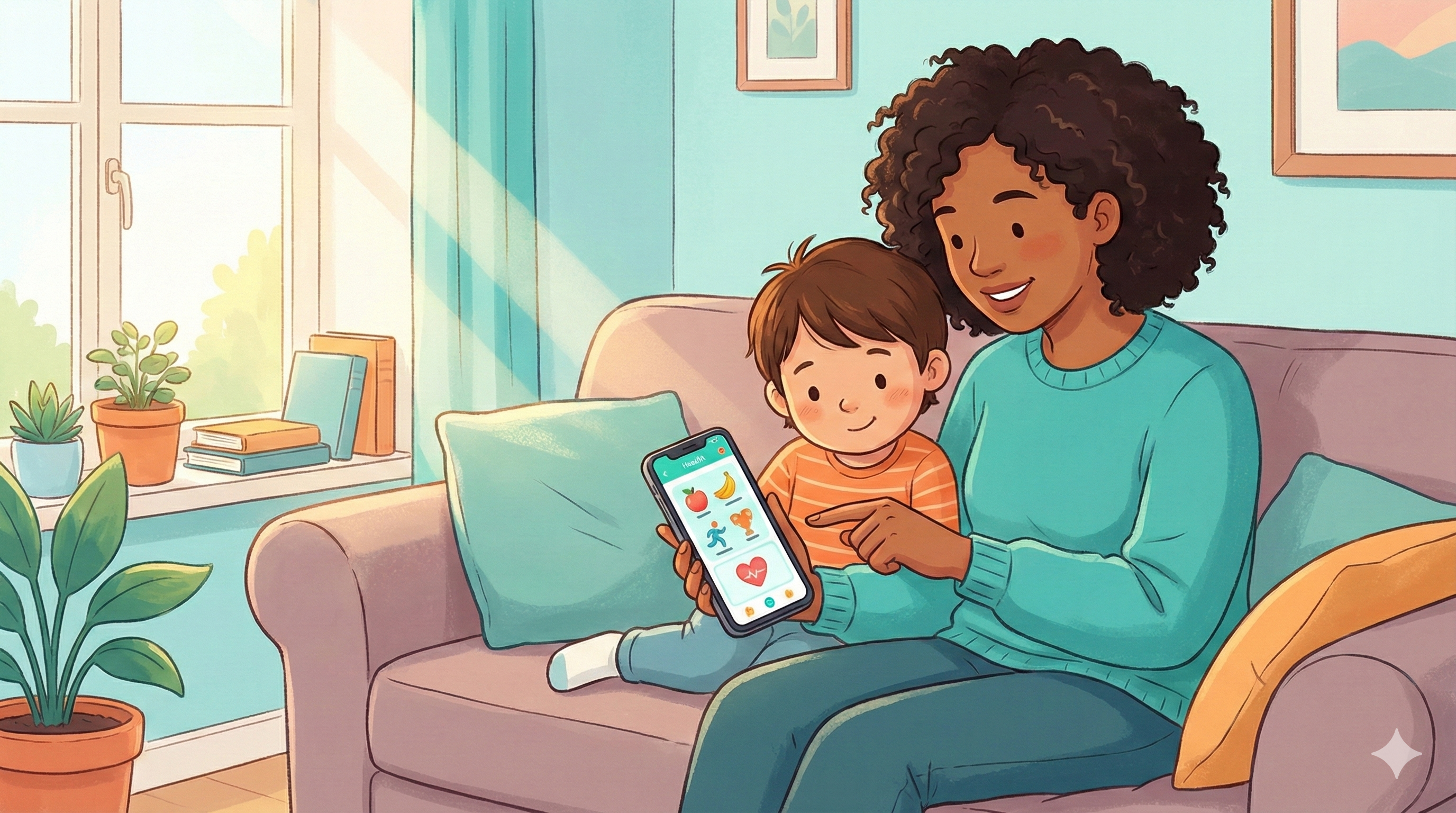
With approximately 15% of school-aged children in the UK living with a long-term health condition, supporting these pupils effectively is a responsibility that falls on every school. But with limited time and resources, how can educators ensure they're providing the best possible support?
Understanding the Challenge
Children with long-term conditions face unique challenges in the school environment:
- Missing school due to medical appointments or illness
- Managing medication during school hours
- Participating in PE and physical activities safely
- Dealing with anxiety about their condition
- Risk of emergency situations occurring at school
For teachers and school staff, the challenge is knowing how to respond appropriately to each child's individual needs, often with limited medical background.
The Role of Health Passports in Schools
Digital health passports bridge the gap between healthcare and education by providing schools with the essential information they need in a clear, accessible format.
What Schools Receive
When a family shares their child's health passport with a school, staff gain access to:
- Condition overview - Written in accessible language, not medical jargon
- Daily management needs - What the child needs during a typical school day
- Warning signs - Symptoms that indicate the child may be unwell
- Emergency procedures - Step-by-step guidance for urgent situations
- Medication details - Including storage requirements and administration guidance
- Activity guidance - What the child can and cannot participate in
Benefits for Schools
1. Reduced Administrative Burden
Instead of chasing paper forms and individual care plans, schools receive a standardised, professional document that contains everything they need.
2. Consistent Information
All staff members work from the same information source, reducing the risk of miscommunication.
3. Emergency Preparedness
Clear, accessible emergency protocols mean staff can respond confidently if a situation arises.
4. Better Parent Communication
The passport provides a shared reference point for conversations between school and home.
Practical Tips for Educators
1. Create a Culture of Inclusion
Children with health conditions should feel as included as their peers. This means:
- Avoiding making a big deal of their condition in front of others
- Finding ways for them to participate in activities, even if adapted
- Training all staff, not just designated medical staff, on basic awareness
2. Know Your Individual Pupils
Each child's condition affects them differently. Take time to:
- Read their health passport thoroughly
- Speak with parents about their child's specific needs
- Ask the child (age-appropriately) how they prefer to be supported
3. Plan for Trips and Events
School trips require additional planning for children with health conditions:
- Review risk assessments in light of individual health needs
- Ensure accompanying staff have access to the child's health passport
- Confirm medication arrangements in advance
- Have contingency plans for if the child becomes unwell
4. Support Transition Points
Moving between year groups or schools can be anxious times. Use health passports to:
- Brief new teachers before the school year begins
- Share information with receiving schools during transition
- Update the passport if circumstances have changed
5. Encourage Self-Management
As children get older, supporting their independence is crucial:
- Allow older children to manage their own medication where appropriate
- Involve them in discussions about their needs
- Help them learn to recognise and communicate when they need help
Working with Healthcare Partners
Schools don't have to manage this alone. Key partners include:
School Nursing Team
School nurses can help interpret health information, train staff, and provide a link to NHS services.
The Child's Healthcare Team
Specialist nurses and consultants can provide condition-specific training and advice.
Local Authority SEND Teams
For children with Education, Health and Care Plans (EHCPs), coordination with SEND teams ensures joined-up support.
Case Study: Implementing Health Passports
Greenfield Primary School introduced TMA health passports across their school in 2023. Deputy Head Mrs Jenkins reports:
"Before passports, we had a filing cabinet full of paper care plans, many of which were out of date. Now every member of staff can access the information they need on their phone. During a recent asthma emergency, our lunchtime supervisor knew exactly what to do because she'd reviewed the child's passport during training."
The school has seen:
- 40% reduction in time spent chasing health information from parents
- 100% of staff trained on common conditions
- Improved Ofsted inspection feedback on medical needs provision
Getting Started
If you'd like to implement digital health passports in your school, here's how:
- Contact TMA - We can explain how the system works and what's involved
- Connect with your local NHS trust - Many trusts already use TMA passports
- Inform parents - Let families know you can receive passport information
- Train staff - We provide free training resources for schools
Conclusion
Supporting children with long-term health conditions doesn't have to be complicated. With the right information, shared in the right way, schools can provide safe, inclusive environments where every child can thrive.
Digital health passports make this easier by ensuring everyone - from the headteacher to the lunchtime supervisor - has access to the information they need to support each child effectively.
Ready to learn more? Get in touch to discuss how TMA can support your school.
Emma Richardson
Education Partnerships Manager, TinyMedicalApps
Emma Richardson is dedicated to improving healthcare outcomes for children with long-term conditions.